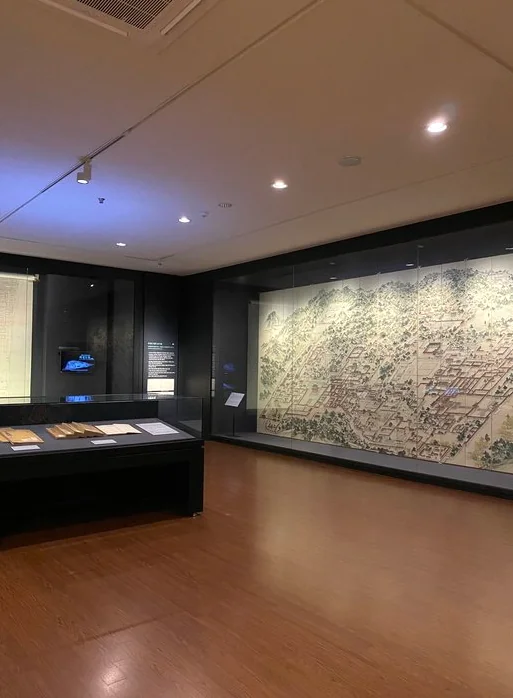
Exit 5 at Gyeongbokgung station, walk straight up the stairs, and you are immediately standing in front of a grand traditional gate. No confusing street crossings or map checks required. I recently joined a guided history walk through the National Palace Museum of Korea, and honestly, it completely changed how I view royal artifacts. The museum itself is free, but paying ₩19,000 ($14.20) for an expert explanation makes a massive difference. You get two hours of deep context about the Joseon era instead of just staring at pretty bowls. However, it is not perfect—the galleries get incredibly loud around 11:00 AM, and standing on hard marble floors for the entire duration takes a serious toll on your feet. If you are building your Korea itinerary and want a reliable indoor activity, this is a solid choice, provided you wear your most comfortable sneakers.
Navigating to the Royal Archives
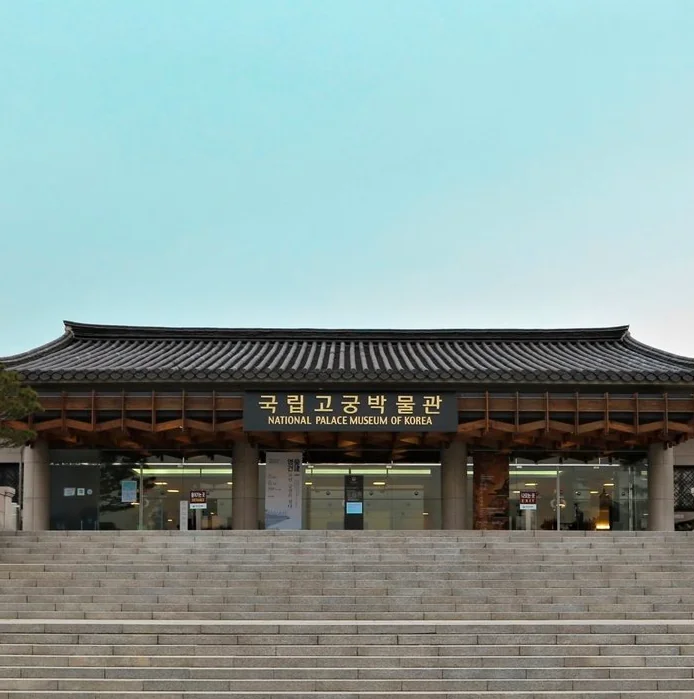
The facility is situated directly at Gyeongbokgung Station Exit 5, making Subway Line 3 accessibility incredibly convenient for travelers. It takes exactly one minute to walk from the ticket gates to the main plaza.
Mastering Seoul Metro navigation is crucial for smooth Seoul travel. I always tell visitors to avoid taxis in the historic center because traffic crawls at a frustrating pace. Once you emerge from the underground station, you will spot the wide stone steps leading up to the main building. Because this facility offers free museum admission Seoul, you can technically just walk right in without waiting at a ticket booth. It serves as an excellent starting point before attempting a full Gyeongbokgung Palace tour next door, especially if you need a solid rainy day Seoul itinerary option. Unlike the massive open spaces of the palaces, this provides climate-controlled comfort while still letting you soak in Korean palace architecture details through the large glass windows.
Evaluating the Guided Experience
Booking a session with Korea Bicycle Tour transforms a standard museum visit into a compelling Seoul history tour. A professional storytelling guide breaks down complex Joseon royal protocols into digestible, fascinating stories.
I usually prefer exploring independently. When doing a National Museum of Korea comparison, that larger facility in Yongsan has highly detailed English signage that makes solo visits easy. But here, the specific nuances of royal court culture can feel overwhelming without context. The cultural heritage commentator explained the heavy political weight behind everyday items, turning what looked like basic furniture into symbols of authority. According to the official tour listing [1], the operators focus heavily on aesthetic appreciation:
"I want to show you our unique style and beauty." The tour certainly delivers on this promise, but I noticed a distinct downside. The provided audio receiver earpieces had a slight static hum whenever I stepped more than 5 meters away to look at a different display. You have to stay clustered tightly together to hear clearly.
- Expert breakdown: Detailed historical context from a professional guide
- Aesthetic focus: Rediscovery of Korea's unique style and beauty through curated viewing
Artifacts That Actually Stand Out
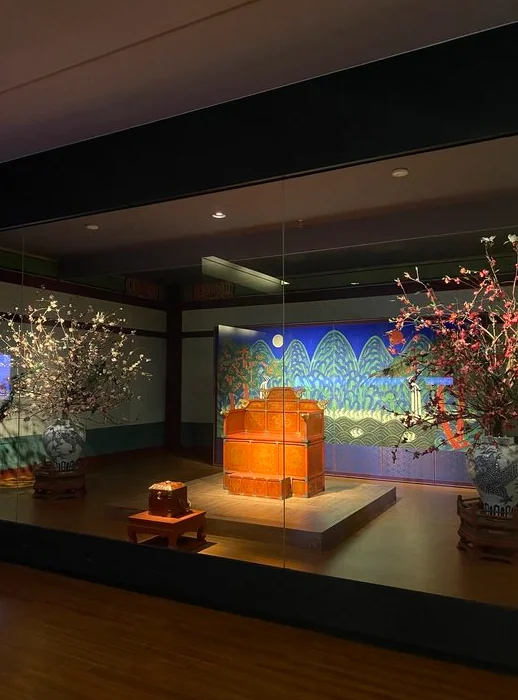
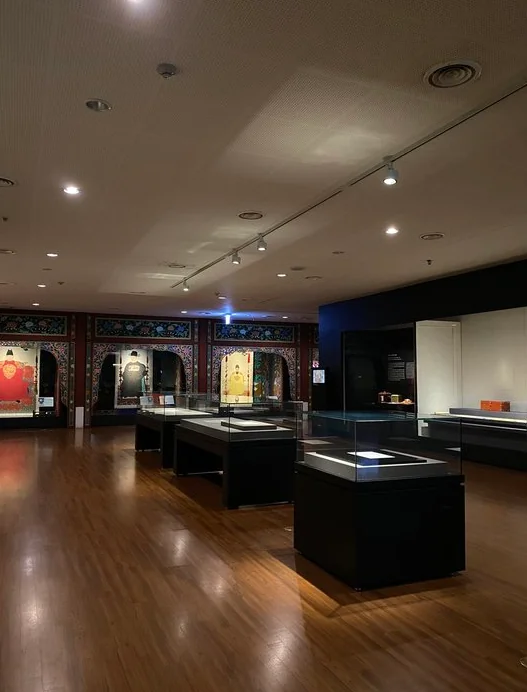
The most impressive pieces are the vibrant Ilwolobongdo screen and the intricate Royal seals and Eobo. Down on the basement level, the imposing Emperor Sunjong royal carriage absolutely dominates the room.
These Joseon Dynasty artifacts are not just dusty relics sitting behind glass. The guide explained how the folding screens functioned as literal symbols of absolute power, placed behind the throne. Hearing the royal family history, particularly the tragic later years of King Gojong, added heavy emotional weight to the items on display. It makes you realize how quickly an entire dynasty shifted during the early 20th century.
Logistics and Tour Specifications
The guided walk runs for exactly two hours and requires continuous standing across three floors. It costs ₩19,000 ($14.20) per person, excluding any personal cafe expenses.
This ranks among the better family-friendly Seoul tours because the space is safely contained, though kids under 8 might get a bit restless during the heavier historical explanations. If you are looking for indoor Seoul activities to escape the brutal summer humidity or freezing winter winds, this fits perfectly into a morning schedule.
| Tour Component | Operational Details | Local Survival Tip |
|---|---|---|
| Meeting Point | Inside the main lobby area | Arrive 10 mins early to use the clean restrooms |
| Duration | 120 minutes | Wear highly cushioned running shoes |
| Group Size | Usually capped around 15 people | Stick close to the guide to avoid audio static |
| Language | Korean (verify English options) | Message the operator before booking |
| Price | ₩19,000 ($14.20) | Remember the building entry itself is free |
Post-Tour Dining Recommendations
Instead of eating at the expensive franchise chains near Gwanghwamun Square nearby, walk 10 minutes west to find Seochon hidden restaurants. The narrow alleys there offer authentic meals at much better prices.
Finding good Seoul restaurants requires a willingness to walk away from the main landmarks. After the tour finishes, exit the museum gates and cross the street toward the older residential neighborhoods. I grabbed a steaming bowl of pork rice soup for ₩9,000 ($6.70) at a tiny corner shop with only four tables. Having a solid Seoul guide strategy means knowing exactly when to leave the crowded tourist zones behind.
Whether you are planning a massive Korea trip involving coastal Busan travel and flights to Jeju island, or just staying close to your Korea hotels in the capital, understanding the local history adds incredible depth to everything else you see. Korea tours like this one provide the necessary foundation. Just remember to pack some pain relievers for your tired feet, and make sure you hit the local alleys for a proper lunch afterward. What historical era are you most excited to learn about?
Frequently Asked Questions
Is the National Palace Museum history tour worth the price?
Yes, paying for an expert guide is definitely worth it for anyone wanting to understand Joseon Dynasty history beyond just looking at artifacts. While museum entry is free, the ₩19,000 tour fee provides two hours of deep historical context that you won't find on simple placards. It transforms a standard Seoul travel experience into an educational journey, making it a valuable addition to your Korea itinerary, especially for first-time visitors who want a professional Seoul guide to explain royal culture.
Should I visit the National Palace Museum before Gyeongbokgung Palace?
It is highly recommended to visit the National Palace Museum before exploring Gyeongbokgung Palace. Seeing the royal artifacts and learning about palace life first provides the necessary background to appreciate the architecture and layout of the actual palace grounds later. This sequence is a popular tip in many Korea trip guides because it helps travelers visualize how the Joseon kings actually lived, making the rest of your Seoul tour much more meaningful and contextually rich.
What is the best time to visit the National Palace Museum to avoid crowds?
To avoid the loudest crowds, it is best to visit the National Palace Museum as soon as it opens at 10:00 AM or later in the afternoon after 3:00 PM. Tours often peak around 11:00 AM, making the galleries quite noisy and crowded. By timing your visit carefully, you can enjoy a quieter Seoul travel experience and hear your guide more clearly. This is a great indoor activity to schedule mid-week when planning your Korea itinerary to avoid weekend rushes.
What should I prepare before joining the National Palace Museum history tour?
The most important preparation is wearing highly cushioned walking shoes, as you will be standing on hard marble floors for the full two-hour duration. There is very little seating inside the galleries, which can take a toll on your feet. Additionally, since the museum is located right at Gyeongbokgung Station, you don't need to worry about complex navigation. Just bring your curiosity and perhaps a light jacket, as the indoor climate control can be quite cool compared to outdoor Seoul weather.
Where are the best Seoul restaurants near the National Palace Museum?
After your tour, you should explore the Seochon or Bukchon areas, which host some of the best Seoul restaurants within walking distance. Famous spots like Tosokchon Samgyetang are just minutes away, offering authentic Korean flavors that complement your historical Seoul guide experience. Whether you are looking for traditional tea houses or modern cafes, the area surrounding the museum is a highlight of any Korea trip, blending delicious food with the traditional atmosphere of old Seoul.