Myeongdong Station Exit 2 at 7:15 AM. The tour bus engine is already running, the air is crisp, and the guide is standing by the door holding a clipboard. You hand over your physical passport for verification, grab a window seat, and prepare for a 90-minute drive north. As a local Seoul guide, I get asked constantly about building the perfect Korea itinerary. Visitors usually obsess over booking aesthetic Korea hotels, securing reservations at trendy Seoul restaurants, or mapping out their Busan travel and flights to Jeju island. While those are great, a complete Korea trip requires stepping outside the urban bubble. Adding specific Korea tours that cover our modern history gives you context you simply cannot get in the city. The DMZ Demilitarized Zone is less than 60 kilometers from the capital, but it feels like a completely different world. I recently took the morning departure to see how the current border restrictions impact the visitor experience, and I found that while the historical weight is profound, the logistics require some careful planning.
What to Expect on a Standard Border Tour
A standard border tour involves boarding a designated bus, passing strict military checks, and visiting key historical sites under heavy supervision. The standard route typically covers memorial parks, underground infiltration tunnels, and border observatories overlooking the north.
The entire operation is highly regimented. You cannot simply drive a rental car up to the border fences. Group transit is mandatory, and your itinerary is dictated by current security levels. I noticed that the guides keep a tight schedule, allocating exactly 45 minutes to 1 hour per stop to ensure the bus clears the checkpoints on time.
Morning Departures and Logistics
Tours depart early, usually around 7:00 AM from Hongik Univ. Station Exit 4 or 7:30 AM from Myeongdong Station Exit 2. You absolutely must bring a physical passport, as digital copies are rejected at the military checkpoint.
When looking at Half-day Tour Pricing, expect to pay around ₩46,000 ($34) for a morning package. This covers your transportation, guide fees, and admission tickets. I prefer the morning slots because afternoon traffic returning to the city center can easily add 50 minutes to your transit time.
| Tour Component | Specific Details |
|---|---|
| Meeting Points | Hongdae (7:00 AM) or Myeongdong (7:30 AM) |
| Total Duration | Approximately 6.5 to 7 hours |
| Mandatory Document | Original Physical Passport |
Crossing the Civilian Control Line
Passing the Civilian Control Line requires a strict ID check by armed soldiers who physically board your bus. Strict Photography Restrictions apply immediately during this process, meaning you cannot take pictures of the military personnel or the checkpoint infrastructure.
This is where the reality of the Korean War Armistice sets in. The soldiers checking your documents are often young conscripts serving under the Military Manpower Administration. Once you clear this gate, you are officially in the restricted zone. The atmosphere on the bus noticeably shifts from casual chatter to quiet observation.
Key Stops on the Restricted Route
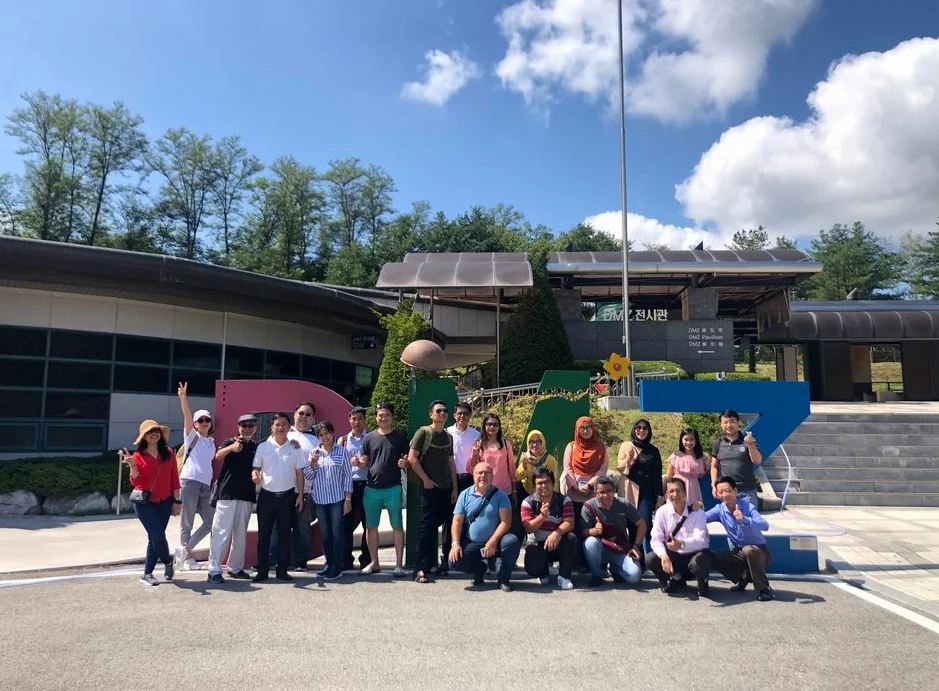
The core route includes a large memorial park, an underground tunnel, and a high-altitude viewing platform. Each location highlights different aspects of the ongoing division and the history of the conflict.
It is common to see large groups taking commemorative photos near the main monuments. I watched several foreign tourists taking group pictures in front of the large border signs, documenting their presence at one of the most heavily fortified borders in the world.
Imjingak Resort and Historical Monuments
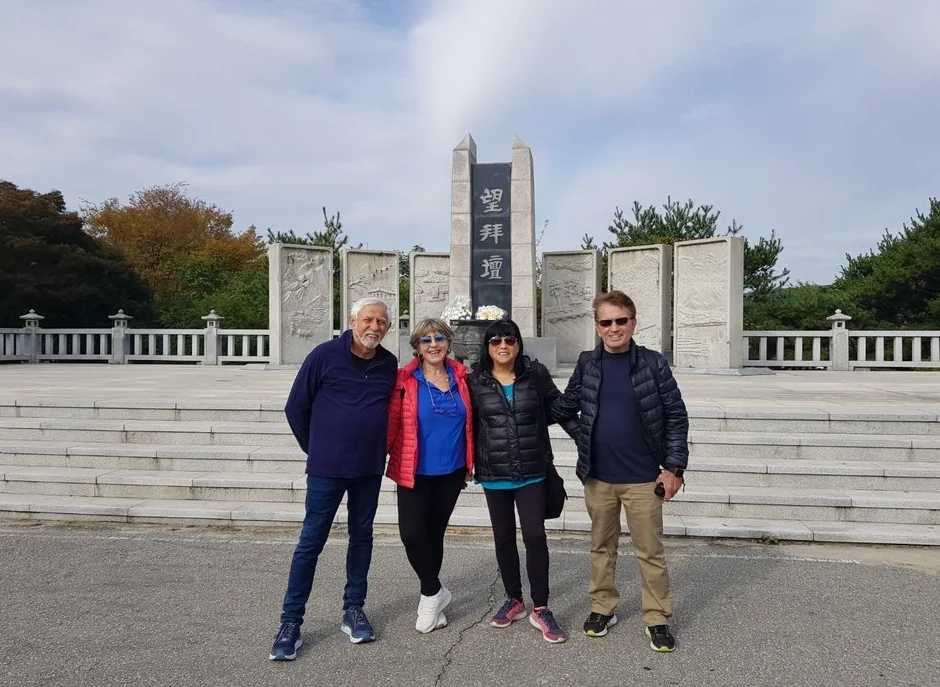
Imjingak Resort serves as the final staging area before entering the highly restricted military zones. Here, you will find the Freedom Bridge and the Mangbaedan Altar, where separated families still come to pay respects during major holidays.
The park is expansive. You can see the bullet-ridden steam locomotive that was derailed during the war, or visit the Beat 131 Bunker Exhibition. Across the area, the Nuri Peace Park offers a slightly more optimistic view with its art installations. For an extra fee, some visitors take the Paju Peace Gondola across the river, though I usually skip this to spend more time reading the historical plaques. The weight of this area is undeniable. According to the tour organizers,
"The DMZ is the only place in the world where you can see the reality of a divided nation."
Underground at the Third Infiltration Tunnel
The Third Infiltration Tunnel is a steep, 1.6-kilometer underground passage discovered in 1978. Visitors must wear hard hats and walk down a 350-meter incline to see the concrete blockade separating the two sides.
I have to be completely honest here: the walk back up is physically punishing. The tunnel is cramped, damp, and the incline is roughly 11 degrees. If you have asthma, claustrophobia, or bad knees, you should absolutely skip the tunnel walk and wait in the surface-level exhibition hall. The downside of this stop is the sheer volume of tourists; you will be walking shoulder-to-shoulder in a dark space.
Viewing North Korea from Dora Observatory
Dora Observatory offers clear, elevated views directly across the border into North Korean territory. Using the provided binoculars, visitors can clearly spot the Propaganda Village and the massive North Korean flagpole.
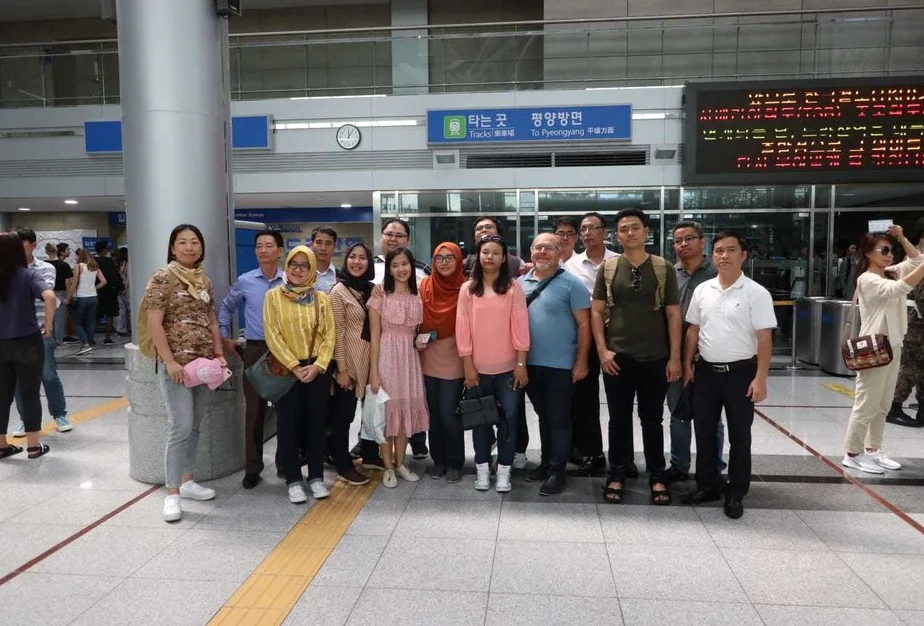
If the weather is clear, the visibility is remarkable. You can see the barren hills on the northern side contrasting sharply with the forested southern mountains. Nearby, the tour often stops at Dorasan Station. This is the last train station on the Gyeongui Line. I always find it surreal to see tourists posing for photos in front of the platform signs pointing toward Pyongyang, waiting for a train that currently never arrives.
Panmunjom and the Joint Security Area
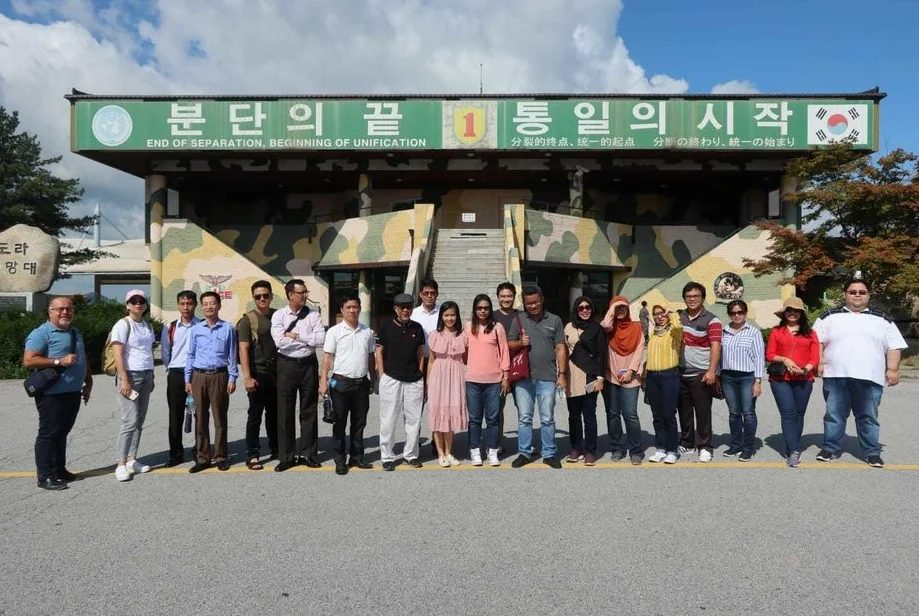
The Joint Security Area (JSA) in Panmunjom is the iconic blue-building compound where North and South Korean forces stand face-to-face. However, regular civilian tours currently do not include this area due to shifting UN Command regulations and security protocols.
When planning your Seoul travel, do not assume your standard border package includes the JSA. Access is heavily restricted.
Why the JSA is Often Excluded
Access to the JSA and historical markers like the Bridge of No Return requires special diplomatic clearance and is frequently suspended entirely. Standard tour operators focus on the surrounding infiltration and observation points instead, as they offer guaranteed entry.
While missing the blue buildings is a slight disappointment, the standard half-day itinerary still provides more than enough historical context for a single morning.
Is the Trip North Worth Your Time?
Yes, dedicating a morning to the border provides crucial context for understanding modern Korea. It balances out the typical urban sightseeing and shopping with a sobering look at geopolitical realities.
I highly recommend doing this early in your trip. Here is a quick checklist of why this half-day format works so well:
- Excellent accessibility, departing directly from central Seoul and returning by early afternoon.
- A stark opportunity to see the reality of North Korea contrasting directly with South Korea's democracy and economic development.
By 2:30 PM, my bus dropped me back off at Hongik Univ. Station. The transition from heavily armed military checkpoints to the bustling, neon-lit streets of Hongdae is jarring, but it is exactly what makes this experience necessary. You cannot fully grasp Seoul's rapid modernization without seeing the frozen conflict just an hour up the highway. Have you experienced border tours in other countries? Let me know how they compare in the comments below.
Frequently Asked Questions
Do I need a passport for a DMZ tour from Seoul?
Yes, you must bring your physical passport to join any DMZ tour from Seoul. Digital copies or photos on your phone are not accepted by military personnel at the checkpoints. Since the DMZ is a high-security military zone, guards will strictly verify your identity before the bus is allowed to enter. Make sure to double-check this before leaving your Seoul hotels, as you will be denied entry without the original document.
Is the DMZ tour from Seoul worth it?
A DMZ tour is definitely worth it for anyone wanting to understand the unique history and geopolitical tension of the Korean peninsula. While many travelers prioritize Busan travel or finding the best Seoul restaurants, the DMZ offers a profound educational experience you can't get elsewhere. It is considered a bucket-list item for a complete Korea itinerary, providing context that enriches your entire Korea trip.
How long does a DMZ tour take?
A standard DMZ tour typically takes between 6 to 8 hours, including the travel time from central Seoul. Most Korea tours depart early in the morning, around 7:00 AM, to secure entry slots at the Third Infiltration Tunnel. When planning your Korea travel schedule, it is wise to keep your late afternoon flexible, as return times can vary depending on traffic and military processing speeds at the border.
DMZ tour vs. JSA tour—which is better?
The DMZ tour is better for seeing historical landmarks like the Third Tunnel and Dora Observatory, while the JSA tour is famous for the blue buildings where soldiers stand face-to-face. However, JSA tours are frequently closed due to diplomatic reasons or military drills. For a reliable Korea itinerary, the standard DMZ tour is the most popular choice because it is consistently available and offers a comprehensive look at the border's history.
How much does a DMZ tour from Seoul cost?
A professional DMZ tour from Seoul generally costs between $50 and $90 USD per person. The price usually includes round-trip transportation, an expert Seoul guide, and all entrance fees to the historical sites. Compared to other Korea tours, it offers great value for a full-day excursion. It is best to book online in advance during peak Seoul travel seasons, as daily visitor limits are strictly enforced by the military.