Myeongdong Station Exit 8 at 6:45 AM is freezing in November, but arriving early is non-negotiable. The bus leaves exactly at 07:00 AM. They will not wait if you are stuck in line buying coffee. I have done this northern border trip three times now, and the logistics remain incredibly strict. It is a stark contrast to casually planning your Seoul travel schedule where you can wander freely. You are heading into an active military zone, which means trading flexibility for historical insight.
What to expect at the Civilian Control Line checkpoint?
The Civilian Control Line (CCL) checkpoint requires a strict military security clearance where armed soldiers board your bus to check documents. You must present your physical passport, and failure to bring it means immediate denial of entry.
I saw two tourists get left behind at the pavilion last year because they only brought photocopies on their phones. Before you even book this as part of your Korea itinerary, double-check your K-ETA requirements for travelers. Your passport details must match your booking exactly, or the guards will pull you off the bus. There are no exceptions for Mandatory Passport identification here.
Getting there from central Seoul
Tour buses typically depart from two main locations: Hongik Univ. Station Exit 3 pickup and Myeongdong Station Exit 8 pickup. The early morning departure timing (07:00 AM) is standard to beat the heavy traffic heading north to Paju.
Shared shuttle tour pricing (₩/$) usually runs around ₩65,000 to ₩85,000 ($48 to $63) depending on the platform [1]. This covers the transportation and the mandatory Seoul guide who handles the complex military paperwork for your group. Trying to navigate this specific route using public transit is nearly impossible for foreign visitors.
Inside the restricted zone: Tunnels, Observatories, and Relics
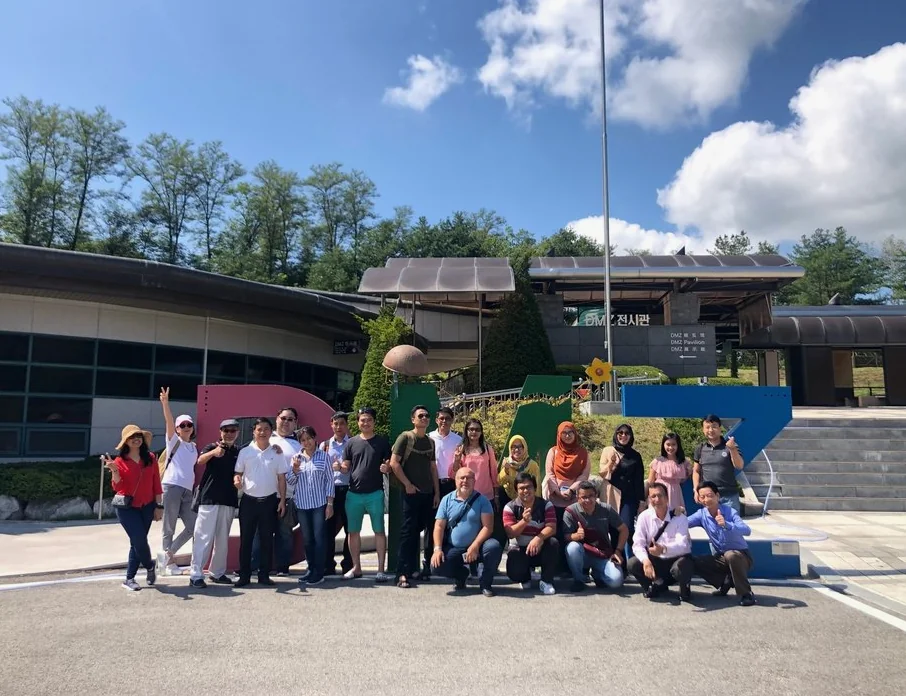
The core border experience involves descending into the Third Infiltration Tunnel and viewing North Korean territory from Dora Observatory (North Korea view). You will also see significant Korean War history and relics at various stops along the route.
The tunnel itself is a genuine physical challenge. You walk down a steep 350-meter incline wearing a hard hat. Going down is fine, but the walk back up is brutal if you have bad knees. It is cramped, damp, and usually around 11 degrees Celsius inside. On the plus side, it is an incredible piece of history.
At the observatory, you can look through binoculars directly across the Military Demarcation Line (MDL). I spent 15 minutes just watching the North Korean propaganda village (Kijong-dong) and its massive flagpole. You will see large groups of tourists posing for photos in front of the Dora Observatory main building, which is one of the few spots where cameras are freely allowed. Be acutely aware of the photography restricted zones elsewhere. Soldiers will make you delete photos if you point your lens toward active military installations.
The Imjingak stops
Imjingak serves as the final civilian access point before the border, featuring the Bridge of Freedom and the DMZ Peace Gondola. Visitors spend time exploring the Imjingak Pyeonghwa-Nuri Park and viewing historical artifacts.
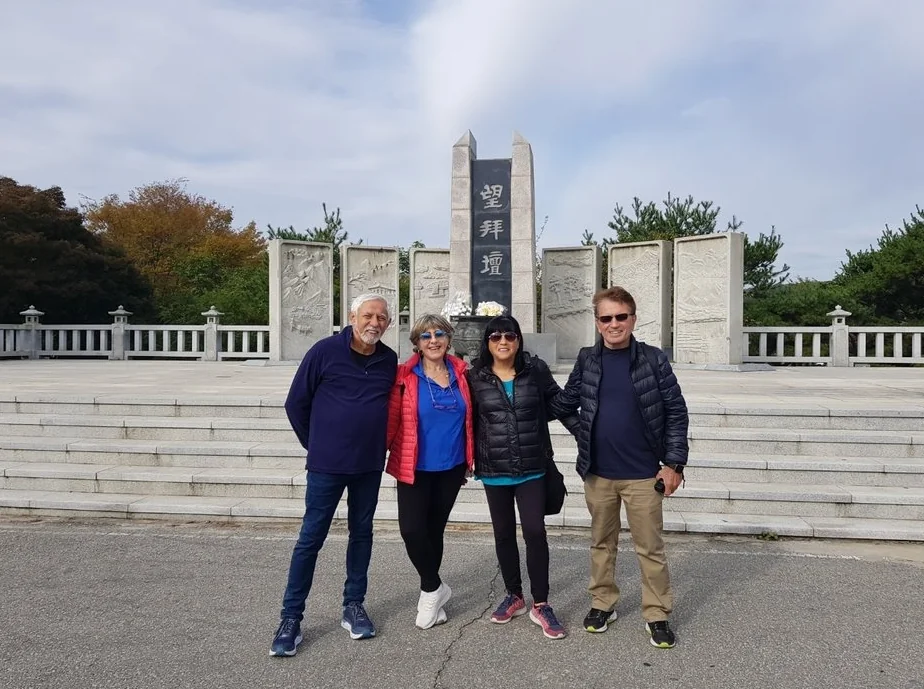
The park area feels slightly commercialized, which is my main critique of this segment. You get about 45 minutes here, which feels rushed. However, seeing the Bullet-ridden Steam Locomotive is sobering. I also watched several foreign tourists paying their respects at the Mangbaedan Altar, a sacred place where families separated by the war perform ancestral rites. There is a large monument in front of the exhibition hall where you will always find crowds taking commemorative photos before heading back to the bus.
The final train station
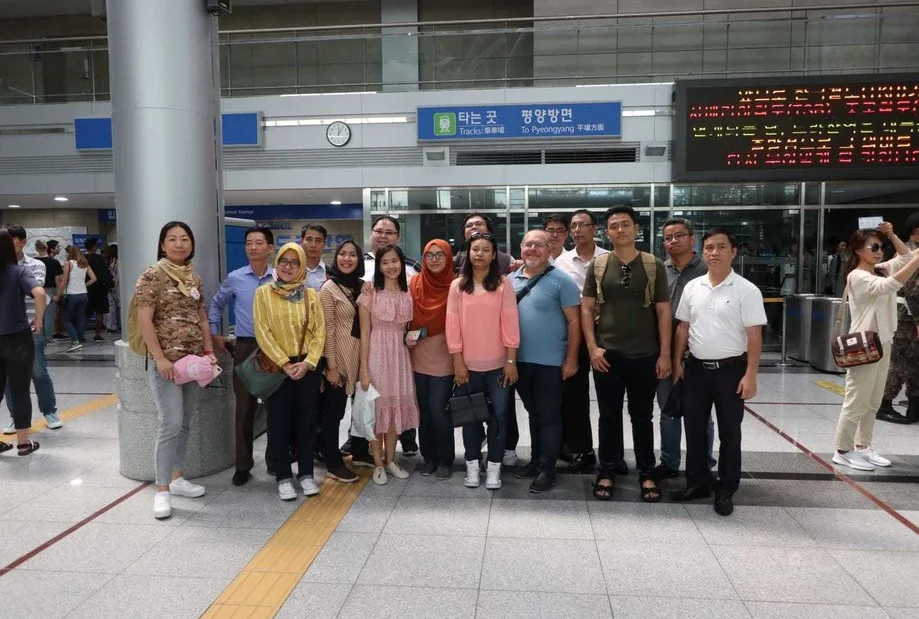
Dorasan Station on the Gyeongui Line is the northernmost operational railway station in South Korea. It serves as a symbolic transit point intended to eventually connect Seoul directly to Pyongyang.
Walking into Dorasan Station (Gyeongui Line) feels surreal. It looks like a modern transit hub, complete with security scanners and pristine ticket counters, but it is eerily empty. I joined a group taking photos at the platform facing Pyongyang. It is a powerful visual reminder of the division and the hope for future connection.
Half-day tour vs Full-day tour options
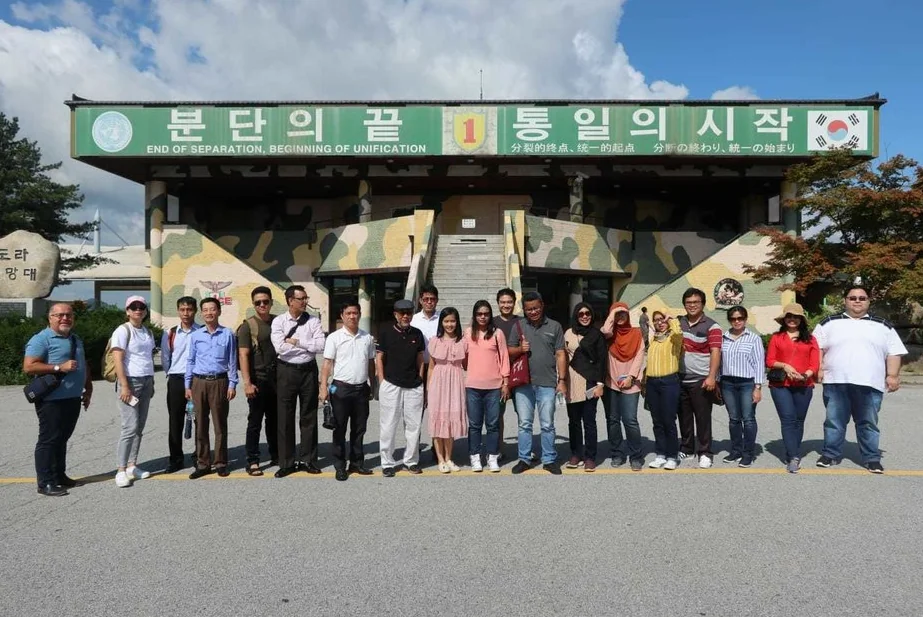
A half-day tour returns to Seoul by 2:30 PM, making it ideal for tight schedules, while full-day tours include additional stops in Paju. The longer option usually features local attractions like suspension bridges or art districts.
Because Panmunjom (JSA) accessibility is currently suspended for most civilian tours, the Half-day tour vs Full-day tour options mostly differ in what you do outside the military zone. The half-day option is highly efficient.
If you opt for the full day, you will likely visit the Gamaksan Suspension Bridge or the Heyri Art Village (Paju). Here is how I usually break down the decision for visitors:
- Choose the shorter route if you want to explore famous Seoul restaurants in the evening without feeling completely exhausted.
- Choose the longer route if your itinerary includes eating Paju Jangdan-kong Tofu (Local Specialty) for lunch. The local soybeans are famous across the country, and the tofu stew is incredible.
- Always bring snacks regardless of your choice. The convenience stores near the border get overwhelmed by tour groups.
Fitting this into your wider Korea trip
Booking the border visit early in your Korea travel schedule prevents exhaustion later in the trip. It provides essential historical context before you head south to other regions.
If your Korea trip includes Busan travel or a flight to Jeju island, schedule this northern excursion for your second or third day. Do not book it on the day you check out of your Korea hotels, as traffic delays on the way back to the city are common. Most guided Korea tours drop you back at City Hall or Myeongdong around 2:30 PM, leaving your late afternoon open for shopping or cafe hopping.
Frequently Asked Questions
Here are the most common questions travelers ask about visiting the northern border. These cover passport rules, dress codes, and booking requirements.
Q: Do I need a physical passport?
A: Yes. Digital copies or ID cards are strictly rejected. You must bring the physical passport you used to book the tour, or the military will deny you entry at the checkpoint.
Q: Is there a specific dress code?
A: Yes. Ripped jeans, camouflage clothing, and sandals are generally prohibited by the military. Wear comfortable, closed-toe walking shoes for the steep tunnel incline.
Q: Can I visit the JSA (Joint Security Area)?
A: Currently, JSA tours are largely suspended for civilians. Most standard packages only cover the underground tunnels and the observatories.
Visiting this restricted area is an exhausting but necessary experience to truly understand the peninsula. The strict rules and early wake-up call are small prices to pay for the profound historical insight you gain. Book your spot at least a week in advance, double-check your passport in your bag the night before, and prepare for a lot of walking. What part of modern Korean history interests you the most?