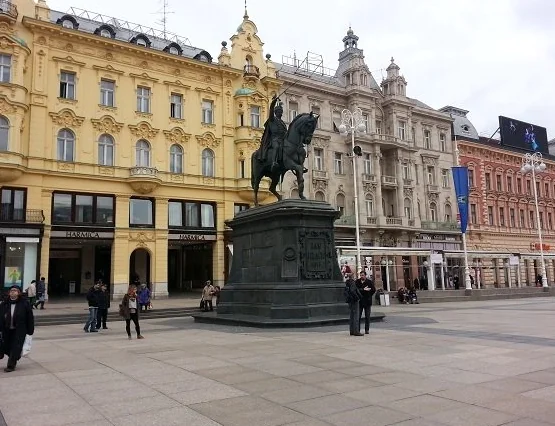
Stand near the equestrian statue at Ban Jelacic Square, walk past the blue trams, and head up the slight incline. The meeting point for this culinary walk is right there among the antique buildings. As a local editor who spends most days mapping out Seoul travel routes, I recently swapped my usual beats for the cobblestones of Croatia. This 3-hour guided tasting tour costs roughly ₩115,000 ($85) and promises an authentic dive into the city's culinary underbelly. I joined the morning session to see if it actually delivers on its promise of authentic, non-touristy eats. The verdict? It is a highly efficient way to taste regional specialties, though the heavy meat portions mean you should definitely skip breakfast before attending.
Why I Chose a Guided Culinary Walk in Croatia
I booked this specific guided walk because navigating foreign dining scenes without local help often leads to overpriced, mediocre meals. This 3-hour experience specifically targets authentic eateries that most visitors walk right past without noticing.
Before leaving on my Europe trip, my schedule was chaotic. I was simultaneously updating my master Korea itinerary, reviewing boutique Korea hotels, and answering questions from foreign friends about the K-ETA application process. Right after picking up my European roaming Incheon Airport SIM card and taking the Incheon Airport AREX to Terminal 1, I realized I had done zero research on Croatian food. I needed a shortcut. I booked this tour primarily to solve two specific problems:
- Difficulty finding non-tourist real local restaurants
- Lack of info on traditional Croatian food
The tour description made a bold claim that caught my eye:
Visiting hidden restaurant gems known only to locals like a treasure. As someone who writes a dedicated Seoul guide and reviews countless Korea tours, I am naturally skeptical of marketing copy. But without my trusty Naver Map navigation to rely on, I decided to trust a local expert for the day.
Tour Specifications and Logistics
The walking tour lasts exactly 3 hours and covers 5 distinct tasting locations across the city center. The walking pace is moderate, but the cobblestone streets require sturdy, flat shoes for comfort.
| Tour Component | Details |
|---|---|
| Duration | 3 hours (Morning or Afternoon slots) |
| Starting Point | Ban Jelacic Square |
| Tasting Stops | 5 locations (Savory, Wine, Dessert) |
| Group Size | Maximum 8 people |
Booking this was smoother than grabbing holiday KTX Busan tickets. Everything is prepaid, meaning there is no need to mentally convert street food ₩ KRW prices into euros or calculate the equivalent of a Korean BBQ price per portion while trying to enjoy your meal.
The Tasting Experience vs. Asian Food Alleys
The culinary walk through the capital mirrors the hidden alleyways of Asia, where the best spots have no English menus and remain hidden from plain sight. We walked through historic markets and backstreets, sampling everything from cured meats to regional wines.
We started at Ban Jelacic Square, the absolute heart of the city. With its grand equestrian statue and surrounding antique buildings, it serves as the ultimate local meeting point. The energy here reminded me of a Friday night on the Hongdae shopping street or the bustling intersections near a Myeongdong currency exchange. From there, we walked 7 blocks to Dolac Market.
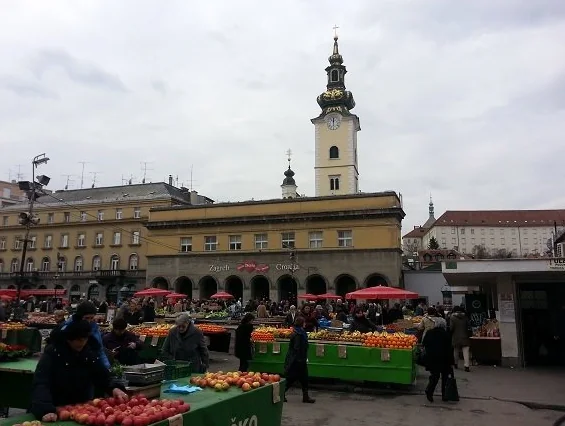
Dolac Market is visually stunning. Underneath dozens of bright red parasols, vendors sell incredibly fresh fruit and local cheeses. It has the same chaotic, vibrant energy as Gwangjang Market street food alleys. However, the traditional market etiquette here involves less aggressive bargaining and more polite conversation with the farmers. We tasted fresh cottage cheese with sour cream, a surprisingly light and tangy combination.
Finding the Hidden Dessert Spot
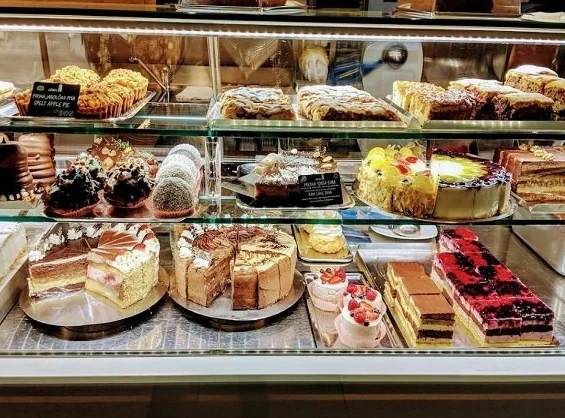
The dessert portion of the walk takes you to a bakery that is completely invisible from the main road. Getting there requires walking through a narrow residential corridor.
Tucked away in a back alley, the shop's display case was filled with colorful slice cakes and intricate baked goods. Finding this spot felt exactly like hunting down signless Euljiro hipjiro cafes or navigating the winding Yeonnam-dong alleyways to find temporary Seongsu-dong pop-up stores. Securing a table here felt as exclusive as a luxury Hanok stay booking during peak autumn season. The walnut cake we tried was dense, not overly sweet, and paired perfectly with strong black coffee.
Honest Downsides and Practical Comparisons
The main drawbacks of this tour are the heavy meat portions that can feel overwhelming, and the fast walking pace on uneven streets. You absolutely need comfortable shoes and an empty stomach to make it through the final stop.
As a Korean travel editor, my brain is hardwired for efficiency. I memorize Seoul Subway Exit numbers, calculate subway transfer optimization, and know exactly where to do a T-money card recharge. In Croatia, I had to let go of that control. The uphill walk to the Upper Town was physically demanding. The winding, steep streets actually reminded me of navigating the Busan Gamcheon Culture Village in the middle of summer.
Furthermore, the main savory dish—a traditional meat pastry—was incredibly heavy. It was delicious, but after the cheese tasting and wine sampling, it felt like a lot. Pacing yourself is absolutely critical. Do not finish everything on your plate at the first two stops.
On the positive side, skipping the long local restaurant waiting lists was a huge relief. There was no CatchTable reservation app needed here; the guide had tables waiting for us at every location. I have guided everything from a DMZ day trip to exploring Gyeongju historical sites and tasting Jeonju Hanok Village food, and I can confidently say that having a local handle the logistics is worth the premium price. It is certainly less stressful than figuring out Jeju Island car rentals or planning a complex Jeju island itinerary on your own.
Final Thoughts on the Walking Route
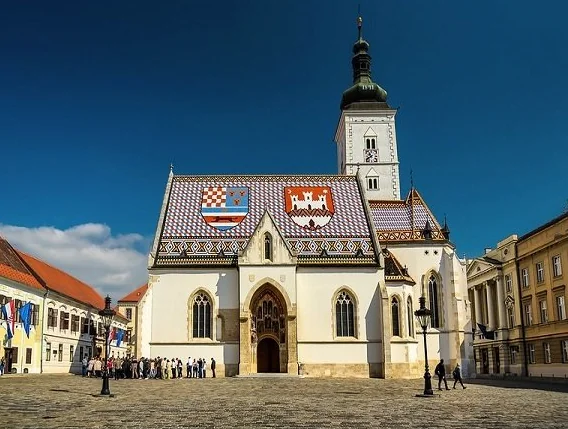
The tour concludes near St. Mark's Church, leaving you in the perfect spot to continue exploring the Upper Town independently. The vibrant, colorful tiled roof against the blue sky is the ultimate photo spot, drawing crowds much like the traditional architecture of a popular Korea trip destination.
If you are accustomed to the rapid pace of Seoul restaurants and the convenience of modern Asian travel infrastructure, taking a slow, guided walk through this European capital is a refreshing change of pace. You get the historical context of a guided Busan travel tour with the culinary depth of a dedicated food trip. Just remember to wear flat shoes and arrive hungry.
Frequently Asked Questions
Is the Zagreb local food tour worth the price?
Yes, the Zagreb local food tour is worth it for travelers seeking an authentic culinary experience beyond typical tourist traps. At approximately $85 (₩115,000), it provides a high-efficiency way to taste regional specialties guided by locals. While some may find it pricier than a standard meal, the curated access to hidden spots makes it a valuable addition to your Croatia or Korea travel planning if you prioritize immersive gastronomy.
How long does the Zagreb authentic food tour take?
The Zagreb authentic food tour typically takes about 3 hours to complete. Starting at Ban Jelacic Square, the walk covers various hidden gems located among the city's antique buildings. This duration is perfect for fitting into a busy Europe or Korea itinerary, allowing you to sample multiple dishes without losing an entire day. It functions similarly to a condensed Seoul guide experience, focusing on high-quality stops in a short window.
Zagreb food tour vs. general city tours—which is better?
A local Zagreb food tour is generally better for visitors who want a sensory, hands-on understanding of the city's culture compared to a standard walking tour. While general tours focus on history, food tours provide a literal taste of the region’s identity. If you have previously enjoyed a Seoul food tour or a Busan travel experience, you will appreciate how these culinary walks reveal the authentic side of the city that most tourists miss.
Are there any downsides to the Zagreb culinary walk?
The main downside of the Zagreb culinary walk is the heavy emphasis on meat, which might be challenging for vegetarians or light eaters. Because the portions are extremely generous, the primary downside is feeling overly full; therefore, skipping breakfast is highly recommended. For those used to the vegetable variety in a Korea trip, the traditional Croatian focus on meat-heavy regional specialties is an important factor to consider before booking.
Where can I book the Zagreb local food tour?
You can book the Zagreb local food tour through major international travel platforms or local tour operators specializing in Croatian gastronomy. It is highly recommended to book in advance, especially during peak seasons, much like you would for popular Korea tours or Jeju island excursions. Many visitors find these tours through local editor recommendations or specialized travel blogs that focus on non-touristy, authentic city experiences.