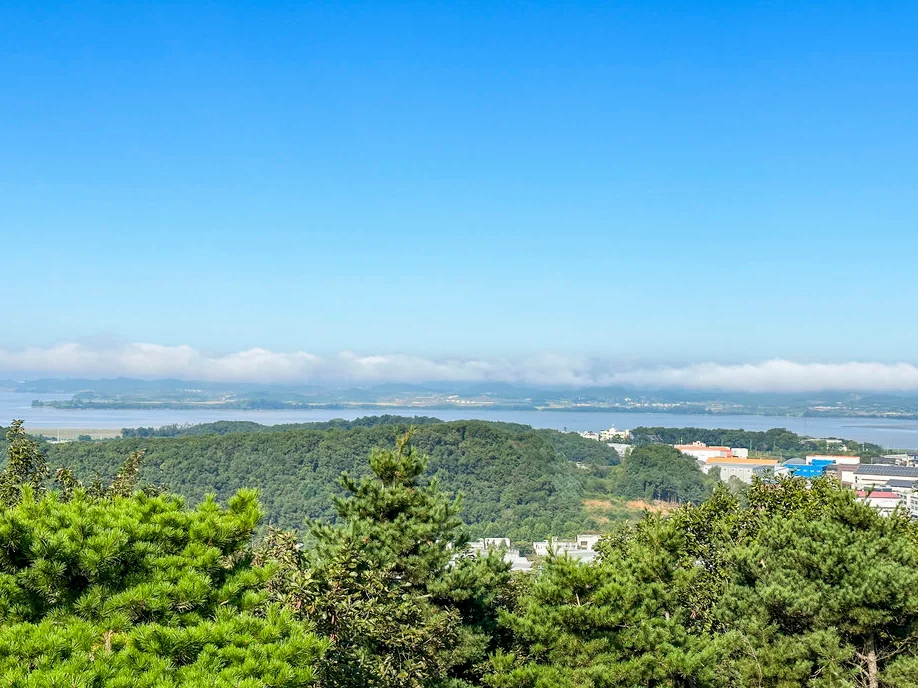
DMZ Paju Day Trip: A Local Guide to Navigating the Border Taking a day trip to the Demilitarized Zone (DMZ) from Seoul is a unique experience that requires careful planning, especially if you are traveling solo. While many travelers opt for expensive private tours, you can access key sites like Imjingak Pyeonghwa-Nuri Park, the Third Underground Tunnel, and Dora Observatory by utilizing local transit options or organized shuttle buses. I personally recommend budgeting a full day for this excursion, as security checkpoint procedures at the Unification Bridge and the Civilian Control Line (CCL) can often lead to unexpected delays. Whether you are interested in the history of the Gyeongui-Jungang Line at Dorasan Station or simply want to walk through the wind-swept hills of the Peace Land area, the Paju region offers a profound look into the ongoing narrative of Korea. Always ensure you have your original passport identification requirement met, or you will be denied entry at the security gate.
Essential Preparation for Your Paju Journey
Preparation is the most critical factor for a smooth DMZ experience. You must carry your original passport at all times, as digital copies or photos are strictly rejected at the military checkpoints.
Documentation and Access Requirements
Entry into the Civilian Control Line requires verified identity documentation. I have seen many travelers turned away at the Munsan Station transfer point because they only brought a phone photo of their passport; please keep your physical document in a secure pouch.
- Passport: Must be the original physical copy.
- Visa Status: Ensure your K-ETA or relevant visa documents are valid for your stay in Korea.
- Reservations: For specific sites like the Third Underground Tunnel, booking a spot via a managed tour or the local shuttle service is necessary to guarantee entry during peak hours.
Navigating the DMZ and Paju Attractions
The DMZ area is vast, and moving between locations like the Paju DMZ Gondola and the Freedom Bridge requires a clear strategy. Most visitors find that combining public transit to Munsan Station with a local shuttle service is the most cost-effective method for a day trip from Seoul.
Key Stops on Your Itinerary
My favorite way to spend the morning is starting at Imjingak Pyeonghwa-Nuri Park, where the atmosphere is surprisingly peaceful despite the history of the region. After exploring the park, head toward the Dora Observatory for a view across the border, then finish your afternoon at the Heyri Art Village for a more relaxed pace.
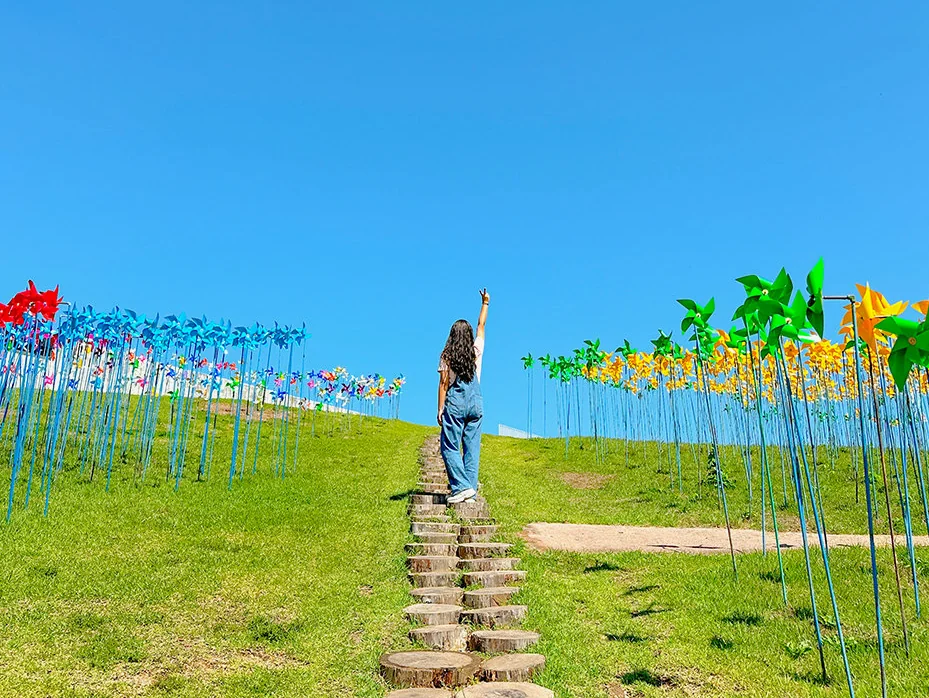
- Imjingak Pyeonghwa-Nuri Park: Perfect for walking and photography; the wind-swept hills are iconic.
- Third Underground Tunnel: A sobering reminder of the past; be prepared for a steep walk.
- Dora Observatory: Use the binoculars to look into the distance, but keep in mind that photography is restricted in certain zones.
- Dorasan Station: A symbolic site representing the hope for a future rail connection between the north and south.
Local Tips for a Better Experience
Paju is more than just its military history, and local food is a highlight that many tourists overlook. If you have time, try dishes featuring Jangdan-myeon soybeans, which are a local specialty of the region.
Optimizing Your Travel Day
I suggest avoiding weekends if possible, as the crowds at the security checkpoints can double your wait time. If you are a solo traveler, the Paju Pyeonghwa Nuri Bus is a great resource, but always check the latest schedules before you depart from Seoul.
- Travel Timing: Start your day as early as 07:30 to clear the first checkpoints.
- Dining: Visit the Paju Premium Outlets area if you prefer a wider range of international and local dining options after your tour.
- Footwear: Wear comfortable walking shoes, as the terrain at the Third Underground Tunnel and the suspension bridge areas can be uneven.
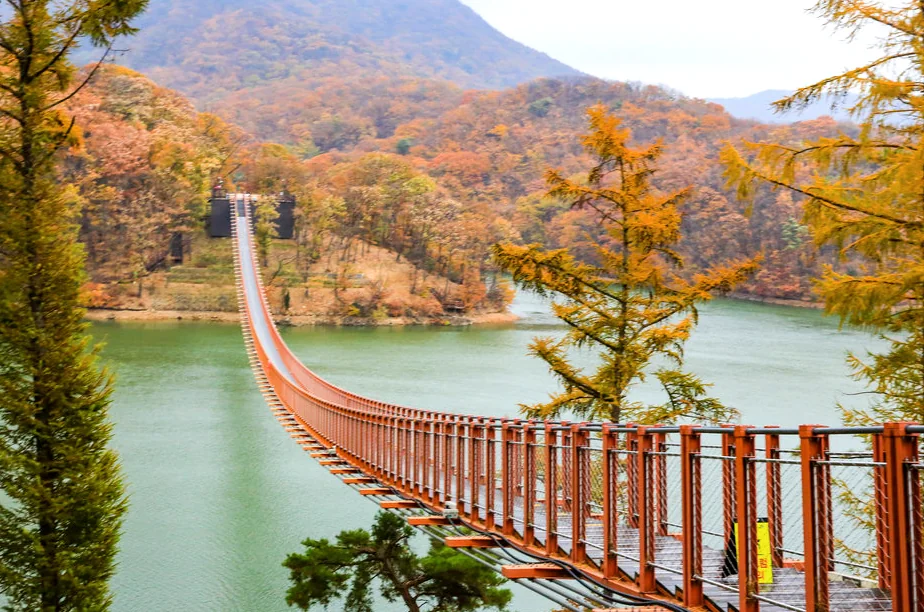
- Alternative Routes: If you prefer nature over history, the Gamaksan Suspension Bridge and Majang Lake are excellent alternatives to the standard DMZ route.